From construction sites to backyard projects, agriculture to recreational activities, tarpaulins, or tarps, have become essential tools for protection, organization, and efficiency. Their versatility, durability, and affordability make them a go-to solution for both professional contractors and homeowners alike. Selecting the right tarpaulin requires understanding the materials, sizes, and design features that best suit the intended application.
Why Tarpaulins Are Essential
Tarpaulins provide more than just coverage—they offer protection against weather, dust, debris, and sunlight, extending the lifespan of equipment, materials, and surfaces. They are also practical for temporary enclosures, shading, or transport protection.
Key benefits if tarpaulins include:
-
Weather protection: Shields items from rain, snow, sun, and wind.
-
Durability: Made from reinforced materials that resist tearing and abrasion.
-
Versatility: Suitable for construction, landscaping, camping, agriculture, and transportation.
-
Cost-effective: Affordable solution for both short-term projects and long-term coverage.
The right tarpaulin can prevent costly damage to equipment or materials while increasing efficiency on jobsites or at home.
Understanding Tarpaulin Materials
Selecting the right material is critical to ensure the tarpaulins meets the demands of its application. The most commonly used tarpaulin materials include:
Plastic Tarpaulins
Polyethylene ("Poly") plastic tarpaulins are lightweight, waterproof, and ideal for general-purpose use. Plastic or Poly Tarpaulins are available in a variety of thicknesses, colors, and sizes.
Advantages:
-
Affordable and widely available.
-
Lightweight and easy to handle.
-
Waterproof, providing protection from rain and snow.
Typical applications: covering construction materials, temporary outdoor storage, and DIY projects.
Canvas Tarpaulins
Canvas Tarpaulins are made from cotton or polyester-cotton blends. They are breathable, heavy-duty, and suitable for long-term use.
Advantages:
-
Durable and tear-resistant.
-
Breathable, reducing condensation underneath.
-
Fire-resistant options available.
Applications include: protecting vehicles, machinery, and outdoor furniture, or serving as drop cloths during painting projects.
Vinyl Tarps
Vinyl Tarpaulins are heavy-duty and waterproof, often used for industrial applications.
Advantages:
-
Extremely durable and long-lasting.
-
Excellent UV resistance and weather protection.
-
Suitable for repeated use in harsh environments.
Applications: covering trucks, industrial equipment, and outdoor storage areas.
Mesh Tarps
Mesh Tarpaulins provide shade and wind protection while allowing airflow.
Advantages:
-
Reduces sun exposure and wind damage.
-
Lightweight and easy to install.
-
Available in varying shade percentages.
Applications: agricultural shading, construction fencing, and recreational areas.
Clear Tarps
Clear Tarpaulins allow visibility while protecting from weather elements.
Advantages:
-
Light transmission for plant growth or workspace visibility.
-
Weatherproof and durable.
-
Ideal for monitoring covered items without removal.
Applications: greenhouses, temporary enclosures, and construction site protection.
Common Tarpaulin Applications
Tarps are used across a wide range of industries and personal projects, each with unique requirements:
Construction and Renovation
On construction sites, tarps protect materials and workspaces from weather damage and dust accumulation.
Uses include:
-
Covering lumber, roofing, and cement supplies.
-
Protecting equipment and machinery from rain and debris.
-
Creating temporary enclosures for remodeling or painting projects.
Heavy-duty vinyl or reinforced poly tarps are often chosen for their durability and resistance to tearing in rugged construction environments.
Agriculture
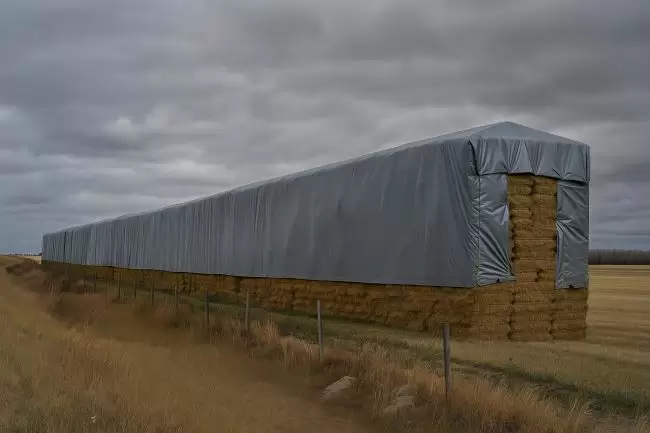
Farmers and gardeners use hay tarps to protect crops, plants, and livestock from sun, wind, and precipitation.
Uses include:
-
Covering hay bales and feed storage.
-
Shade covers for plants, orchards, or greenhouses.
-
Temporary shelters for livestock.
Mesh tarps are particularly useful in agriculture for providing shade while allowing airflow to prevent heat stress and overwatering issues.
Home Improvement and DIY
Homeowners rely on tarps for projects that require temporary coverage and protection.
Uses include:
-
Drop cloths for painting and renovation.
-
Covering furniture, flooring, or landscaping features.
-
Temporary carports or patio covers.
Canvas and polyethylene tarps are popular choices for DIY projects due to their affordability, ease of handling, and protection capabilities.
Recreational and Outdoor Activities
Tarps enhance comfort and safety for recreational and outdoor use.
Uses include:
Mesh and clear tarps are excellent options for recreational settings, balancing protection, airflow, and visibility.
Transportation and Storage
Tarps are essential for securing cargo and protecting vehicles during transport.
Uses include:
-
Covering trucks, trailers, and boats.
-
Securing cargo from rain, wind, and road debris.
-
Long-term storage of equipment or vehicles.
Heavy-duty vinyl and reinforced polyethylene tarps are frequently chosen for transportation and storage due to their durability and waterproof properties.
Choosing the Right Tarpaulin
Selecting the right tarp requires consideration of several factors:
-
Material: Poly, canvas, vinyl, mesh, or clear depending on durability and protection needs.
-
Size: Adequate coverage with room for overlap and secure fastening.
-
Weight and thickness: Heavy-duty for repeated use; lightweight for portability.
-
UV resistance: Protects both tarp and underlying items from sun damage.
-
Reinforcement: Grommets, hems, and edge reinforcement for secure attachment.
By evaluating these factors, users can ensure their tarp meets both the environmental and practical demands of the intended application.
Installation Tips
Proper installation enhances both the lifespan and effectiveness of tarps:
-
Anchor securely: Use ropes, bungee cords, or tie-downs with reinforced grommets.
-
Avoid contact with sharp surfaces: Prevent punctures and tears.
-
Maintain tension: Prevent sagging and water pooling.
-
Regular inspection: Check for damage, UV degradation, or wear on grommets and edges.
Correct installation prevents damage, ensures full coverage, and maximizes protection.
Maintenance and Care
Maintaining tarps is essential to extend their service life:
-
Clean regularly: Remove debris, dirt, and residues with mild soap and water.
-
Store dry: Avoid mildew and material deterioration.
-
Inspect for damage: Check for tears, worn edges, or compromised grommets.
-
Repair promptly: Patch holes or reinforce weak points before they worsen.
Routine maintenance ensures tarps remain effective and cost-efficient over time.
Benefits Beyond Protection
Tarps are more than just coverings; they offer additional advantages:
-
Visibility and monitoring: Clear or mesh tarps allow for inspection without removal.
-
Airflow: Mesh tarps provide ventilation while still offering shade and wind protection.
-
Energy efficiency: Tarps can shade outdoor areas, reducing cooling needs for nearby structures.
-
Cost savings: Protecting materials, equipment, and surfaces reduces repair and replacement expenses.
Their multifunctional nature makes tarps indispensable across industries and personal use.
Real-World Case Studies
Construction: A roofing contractor uses heavy-duty vinyl tarps to cover materials during sudden rain, preventing project delays.
Agriculture: A local nursery uses mesh tarps to shade young plants, reducing sunburn and improving growth rates.
Home Renovation: A homeowner covers flooring with canvas tarps during interior painting, preventing staining and damage.
Recreation: A camping group sets up clear tarps over picnic areas, maintaining visibility while shielding from light rain.
Transportation: A logistics company covers trailers with reinforced poly tarps, ensuring cargo arrives dry and undamaged.
These examples illustrate the flexibility and practicality of tarpaulins across multiple settings.
Conclusion
Tarpaulins are versatile, durable, and cost-effective solutions for protecting materials, equipment, and outdoor spaces. From construction and agriculture to DIY projects, recreation, and transportation, tarps serve countless purposes while offering durability, weather protection, and adaptability.
Choosing the right material, size, and reinforcement ensures optimal performance, whether for short-term coverage or long-term protection. Proper installation, maintenance, and care extend the lifespan and utility of tarpaulins, maximizing their value across applications.
Whether shielding crops, covering construction materials, or creating shaded recreational spaces, tarps remain a practical and essential tool for homeowners, businesses, and professionals alike. Their adaptability, affordability, and protective capabilities make them a staple in virtually every industry and personal project.


 icons at the top right corner of the subsection.